The Nam Pla Shortlist: Eight Fish Sauces Worth Arguing About
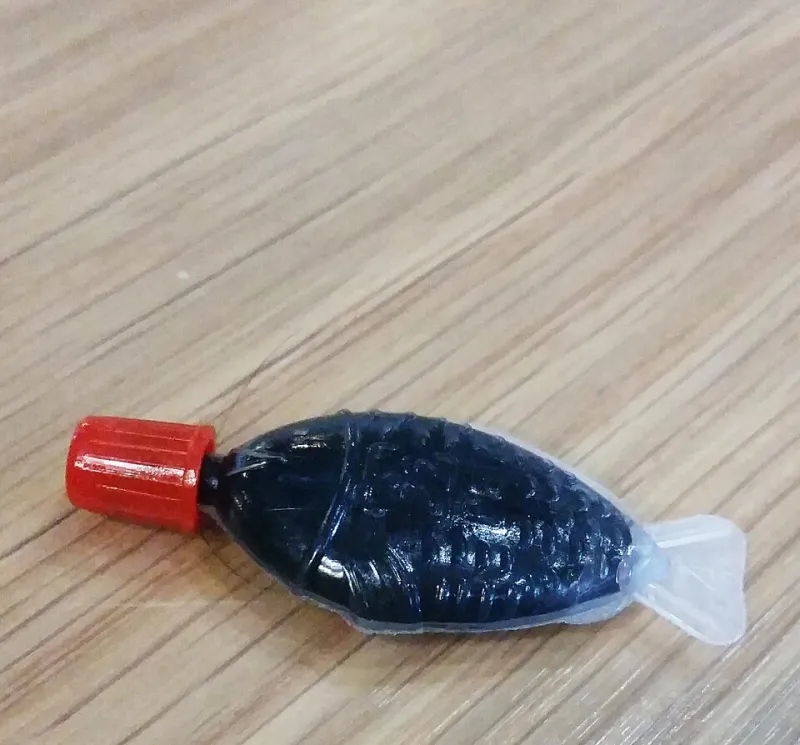
Photo: David Jackmanson from Melbourne, Australia, Australia, CC BY 2.0, via Wikimedia Commons
Why Fish Sauce Deserves a Proper Shelf
Fish sauce is one of those ingredients that British cooks either love or quietly avoid. The aroma can be alarming straight from the bottle, all salt and fermented fish and something almost cheesy. But cooked into a curry or stirred into a dipping sauce with lime, sugar and chilli, it stops being a smell and becomes a base note. It is the thing that makes Thai food taste Thai rather than merely spicy.
In the UK we are now spoiled for choice. Larger supermarkets stock their own versions, Asian grocers carry Thai, Vietnamese and Chinese brands, and online shops fill in the gaps. But not all fish sauces are the same. Some are clean and savoury; others are thin, sweet or aggressively salty. This autumn we bought eight bottles, tasted them neat, mixed them into a raw dipping sauce and cooked them into a simple red curry. Here is the shortlist.
How We Tested
We tasted each sauce at room temperature, straight from a spoon. We then made a basic dipping sauce with lime juice, palm sugar and chopped chilli, using the same proportions each time. Finally we stirred each sauce into a small batch of coconut curry to see whether it held its character or disappeared.
We also read the labels. In a good Thai nam pla, fish or anchovy should be high on the ingredients list, along with salt and water. A long list of extras is not automatically bad, but sugar and colourings are clues that you may be buying a softer, more supermarket-friendly product. Protein content is a useful guide too: a higher figure often points to a more concentrated sauce, though it is not the whole story.
The Ranking
1. Megachef Premium Fish Sauce
This was the best all-rounder. It has a clean, savoury smell rather than a harsh one, and it tastes rounded rather than merely salty. In the raw dipping sauce it gave depth without taking over. In the cooked curry it added a savoury backbone that lasted to the end of the spoonful. It is not the cheapest bottle on the shelf, but you need less of it and it does more than one job. If you keep one fish sauce for both cooking and dipping, make it this one.
2. Tiparos Fish Sauce
Tiparos is the classic workhorse. It is salty, direct and unmistakably Thai, and it is widely available in Asian grocers and larger supermarkets. In a cooked curry it is excellent, giving that deep savoury hum that fish sauce is supposed to give. Raw, it needs a little more lime and sugar to tame it, but that is hardly a criticism. If Megachef is the all-rounder, Tiparos is the dependable bottle you buy in bulk.
3. Squid Brand Fish Sauce
Squid Brand is big and punchy. It has a stronger aroma than the top two and a saltier finish, which makes it a excellent choice for cooked dishes but a slightly fierce one for raw dipping. Use it with a light hand in a curry and it performs beautifully. Use it neat in a dipping sauce and it will dominate the conversation. This is a bottle for cooks who like their fish sauce to announce itself.
4. Golden Boy Fish Sauce
Golden Boy is a good middle ground. It is balanced, savoury and not too sweet, with enough character to stand up in a curry but not so much that it ruins a raw sauce. It is less widely stocked than Tiparos, but it is worth picking up when you see it. A solid everyday bottle for anyone who wants one sauce that can do most things without fuss.
5. Thai Taste Fish Sauce
Thai Taste is the supermarket-friendly option. It is mild, approachable and unlikely to frighten anyone who is new to fish sauce. In a raw dipping sauce it is pleasant, if a little quiet. In a long-cooked curry it fades more than the top four, so you may need to use a little extra at the end. It is a good starter bottle, but not the one I would choose for a serious Thai cupboard.
6. Blue Dragon Fish Sauce
Blue Dragon is sweeter and thinner than the Thai brands above. It works in a stir-fry or a quick noodle dish where you want salt and a little sweetness, but it is not the bottle for a proper nam pla dipping sauce. The label gives the game away: sugar is doing more work here than it should. It is not unpleasant, but it is not the most useful bottle for Thai cooking.
7. Amoy Fish Sauce
Amoy is a Chinese-style fish sauce rather than a Thai nam pla, and it tastes like it. It is salt-forward and less complex, with a flatter finish. It works fine in a marinade or a stir-fry where it is part of a bigger flavour picture. For a raw Thai dipping sauce, though, it lacks the rounded savoury quality you want. Keep it if you already have it, but do not buy it as your only fish sauce.
8. Lee Kum Kee Fish Sauce
Lee Kum Kee is a well-known brand, but this was the least useful bottle in our test. It tasted heavy and one-dimensional, with salt doing most of the work and little of the fermented depth that makes fish sauce worth having. In a cooked dish it disappeared rather than deepened. For Thai cooking, there are much better options for the same money.
What to Look For on the Label
First, check the ingredients. Fish or anchovy, salt and water should be near the top. If sugar appears high on the list, expect a sweeter, softer sauce. Second, look at the protein figure. A higher protein content often means a more concentrated sauce, although it is not a guarantee of quality. Third, consider the bottle. Dark glass helps protect the sauce from light, and a simple, short ingredient list is usually a good sign.
The cheapest bottle is often a false economy. A thin fish sauce makes you use more to get the same savoury hit, and it can leave a dish tasting salty rather than deep. A better bottle costs a little more but lasts for months in the cupboard and does more work in the kitchen.
The One for Your Cupboard
If you want one bottle, buy Megachef Premium. If you want a workhorse for curries and marinades, buy Tiparos. If you have space for two, keep a premium bottle for raw dipping sauces and a cheaper Thai brand for cooking. Avoid the sweetest, thinnest bottles for Thai food, and do not assume that a famous name on the label means a good nam pla.
Fish sauce is not an ingredient to be scared of. It is salt, savoury depth and a little fermented magic in a bottle. Once you find the right one, you will reach for it far more often than you expect.