Fire, Palm Sugar and Rice Noodles: A Sukhothai Menu for a British Weekend
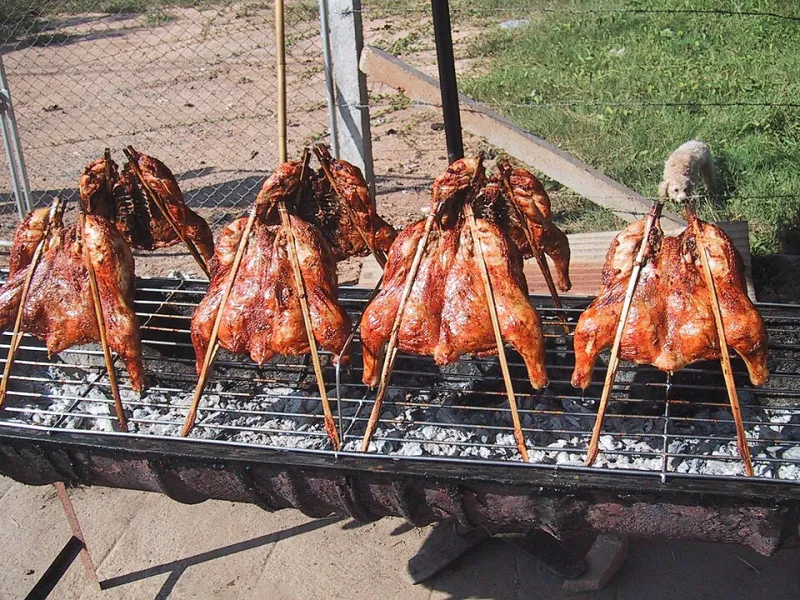
Photo: Basile Morin, CC BY-SA 4.0, via Wikimedia Commons
A Capital Before Bangkok
Sukhothai is the sort of place that makes a food writer reach for the word foundational. The kingdom flourished between the 13th and 15th centuries, and its old city, now a UNESCO World Heritage site, is often described as Thailand's first capital. Visitors see brick ruins, lotus ponds and long walks between temple platforms. Cooks see something else: a clue to the Thai food that came before coconut-cream curries became restaurant shorthand.
The flavours of Sukhothai are not delicate in the way a modern tasting menu is delicate. They are direct. Grilled chicken scented with white pepper and coriander stems. Rice-noodle broths that taste of pork, garlic and fish sauce. Relishes sharp with lime and chilli, sweetened just enough with palm sugar. This is food built around fire, salt, acid and a little sweetness, and it sits remarkably well beside British ingredients.
At Sukhothai Kitchen we are not asking you to recreate a royal court. We are asking you to cook a Saturday dinner that feels older and simpler than the usual takeaway menu, using what you can actually buy on a British high street.
The Sukhothai Pantry, British Edition
The shopping list is shorter than you might expect. Chicken thighs, rice noodles, fish sauce, palm sugar, shallots, garlic, white pepper, coriander, limes, chillies and a bag of greens will get you most of the way. A good greengrocer will sort the herbs and chillies; the supermarket will cover the rest.
Palm sugar comes in discs or tubs in most larger supermarkets and Asian grocers. If you cannot find it, light muscovado sugar is a decent understudy. Coriander root is traditional in marinades, but the lower stems carry plenty of flavour and are usually thrown away by British cooks. Use them.
This is not a pantry that demands a trip to a specialist warehouse. It is a pantry that asks you to treat fish sauce, lime and sugar as a balancing act rather than a set of strict measurements.
Build a Menu, Not a Museum Piece
The easiest way to cook Sukhothai-style food at home is to think in three parts: something grilled, something brothy and something sharp. Together they make a generous dinner for four, especially with plain jasmine rice on the side.
Grilled Chicken with White Pepper and Coriander
Take eight boneless chicken thighs, skin on if you can get them. Pound or blitz four garlic cloves with two tablespoons of chopped coriander stems, one teaspoon of white pepper, two tablespoons of fish sauce, one tablespoon of palm sugar and one tablespoon of neutral oil. Rub this over the chicken and leave it for at least an hour, or overnight if you are organised.
Grill under a hot British oven grill for 25 to 30 minutes, turning once, until the skin is patchy and charred in places. Or cook them on a barbecue if the weather is behaving. Rest the chicken for five minutes, then cut into thick slices.
For a dipping sauce, stir together the juice of two limes, two tablespoons of fish sauce, one teaspoon of palm sugar and one finely chopped red chilli. Taste it. It should be salty first, then sour, then gently sweet.
Rice-Noodle Broth with Pork and Greens
Bring 1.5 litres of chicken stock to a gentle simmer. Add two tablespoons of fish sauce and a teaspoon of palm sugar. Taste and adjust: the broth should be savoury but not aggressive, because the noodles will dilute it.
Add 200g of minced pork, breaking it up as it cooks, or use sliced mushrooms for a meat-free version. Simmer for five minutes, then add a handful of pak choi or spinach and a few sliced spring onions. Cook for another two minutes.
Soak or boil 200g of flat rice noodles according to the packet. Divide the noodles between deep bowls, ladle over the broth and top with coriander, fried garlic and a wedge of lime. In Thailand this kind of bowl is often breakfast; in a British kitchen it makes a very good Sunday supper.
A Relish for Grey Days
Nam prik is the dish that wakes everything else up. Char six red chillies, four garlic cloves and two shallots in a dry frying pan until they smell smoky and soften slightly. Pound them in a pestle and mortar, or pulse them in a small food processor, with two tablespoons of fish sauce, two tablespoons of lime juice, one tablespoon of palm sugar and a pinch of salt.
Do not serve it as a dip in the houmous sense. Put it in a small bowl and eat it in spoonfuls alongside rice, chicken and raw vegetables: cucumber batons, carrot sticks, wedges of cabbage, green beans. It is fierce, sour and slightly sweet, and it makes a grey Tuesday feel considerably less grey.
Palm Sugar at the Finish
Sukhothai sweetness is rounded rather than sugary. For a quick pudding, slice four bananas lengthways, brush them with a little oil and grill them until they take on colour. Warm two tablespoons of palm sugar with the juice of half a lime and a pinch of salt, then spoon it over the bananas. A spoonful of coconut yogurt is not traditional, but it is very good.
If you want something even simpler, make a limeade with palm sugar. Dissolve three tablespoons of palm sugar in a little hot water, add the juice of three limes and top up with cold water and ice. It is the sort of drink that tastes better than its ingredients suggest, and it uses the same pantry as the rest of the menu.
The British Kitchen Advantage
British cooks sometimes apologise for their ingredients when cooking Thai food. There is no need. We have excellent chicken, good greens, reliable limes and a growing choice of chillies. What we lack in tropical abundance we make up for in accessibility. The Sukhothai approach is not about rare ingredients; it is about getting the balance right.
So treat this as a menu rather than a history lesson. Grill the chicken until the edges catch. Keep the broth clean and savoury. Make the relish louder than you think it should be. Then sit down with people you like and eat it with rice. That is Sukhothai on a plate, and it belongs in a British kitchen as much as any Sunday roast.