The Honest Swap List: Thai Flavours from a British Supermarket
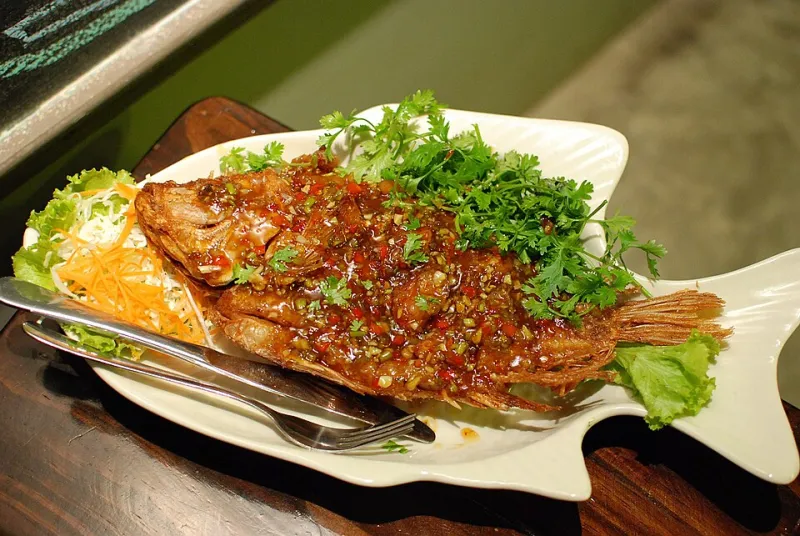
Photo: Takeaway, CC BY-SA 3.0, via Wikimedia Commons
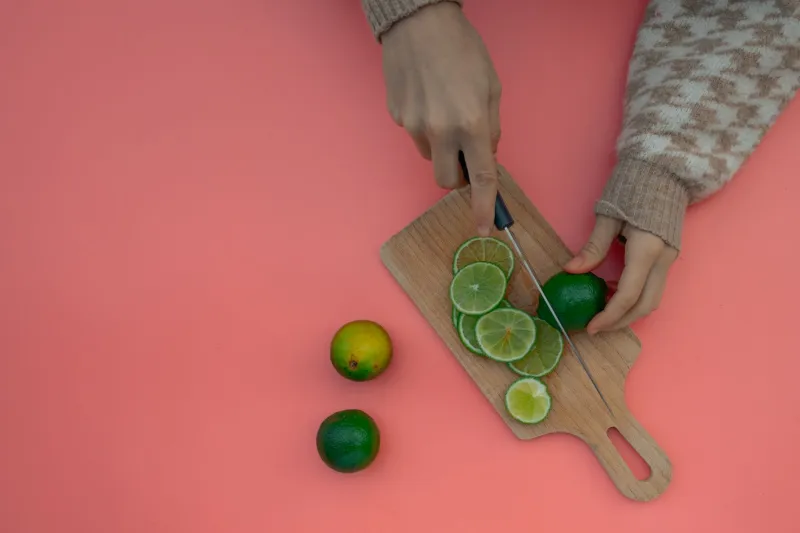
Sukothai Kitchen is built on a simple idea: regional Thai cooking belongs in British kitchens, not just in restaurant dining rooms. But there is a gap between the recipe and the cupboard. The recipe wants palm sugar, makrut lime leaves and a bunch of Thai basil. The cupboard has light brown sugar, a lime and a slightly sad basil plant from the windowsill.
That gap is not a reason to give up. It is a reason to be honest. Some swaps get you very close. Some get you a good dinner with a different accent. A few are best avoided altogether, because the dish will taste like a rumour of Thailand rather than the real thing. The aim here is not to pretend every substitution is invisible. It is to help you cook something worth eating tonight, know what you compromised, and improve the next time you shop.
Start with the direction, not the exact ingredient
Thai cooking is a balancing act between sweet, sour, salty and hot. When an ingredient is missing, ask what job it was doing. Palm sugar brings sweetness with a caramel edge. Tamarind brings a sourness that is dark and fruity rather than sharp. Thai basil brings an anise-like perfume. Makrut lime leaves bring a floral citrus note that lime zest can only hint at.
Once you know the job, the swap becomes easier. You are not trying to fake a flavour. You are trying to push the dish in the same direction.
Palm sugar: the caramel that holds the balance
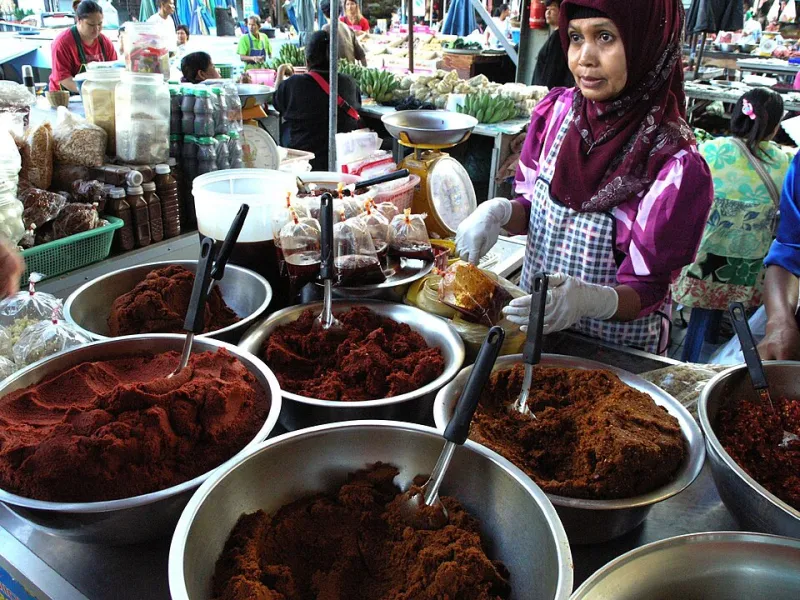
Palm sugar comes in hard discs or blocks and tastes of caramel, barely a hint of smoke, and a rounded sweetness that is less aggressive than white sugar. In a British kitchen, the closest everyday stand-in is light muscovado or jaggery. Both bring a little depth. Golden caster sugar will do in a real pinch, but it gives sweetness without the bass note.
Use light muscovado slightly sparingly at first, taste, then adjust. If you are making a curry paste or a dressing, dissolve it in a little warm water so it blends evenly. Avoid dark muscovado unless you want the dish to taste like treacle. Palm sugar is not supposed to be the main event.
Tamarind: sour with a dark edge
Tamarind is one of the great Thai souring agents, and it is also one of the easiest gaps to fill. Supermarket tamarind concentrate or paste is widely available and perfectly usable. Start with less than you think, because concentrates vary in strength. Taste as you go. A good pad Thai or tamarind dip should be sour, but not mouth-stripping.
The emergency swap is lime juice plus a little brown sugar, but call it what it is: a rescue, not a replica. It gives acidity and a bit of sweetness, but it misses the fruity depth. Do not reach for lemon squash or ketchup. That is not a swap; that is a different dish.
Thai basil: anise, not just green
Thai basil has a distinct aniseed perfume and a slightly peppery finish. Sweet basil from the supermarket is not the same, but it is not useless. In a hot stir-fry, added at the very end, it can carry the dish well enough. In a green curry, where Thai basil is meant to be part of the perfume, sweet basil is a compromise. It will taste fresh and green, but it will not taste quite like the bowl you had in Sukhothai.
If you can get to an Asian grocer or order online, proper Thai basil is worth the effort. Until then, use sweet basil generously and accept the difference. Do not substitute dried basil. It brings dust where you want perfume.
Makrut lime: perfume you cannot fake
Makrut lime leaves are one of the clearest cases where a swap is only an emergency measure. Lime zest gives citrus oil and a little brightness, but it does not give that floral, almost soapy perfume that defines a Thai curry or a fragrant salad. If a recipe uses one or two leaves as a background note, lime zest can just about stand in. If the leaves are meant to be tasted, wait.
Freeze-dried makrut leaves are available online and keep well. Fresh leaves freeze too. If you see them, buy them. They are one of the few ingredients where a small investment pays back in several dinners.
Fish sauce: the salty backbone
Fish sauce is not usually the missing ingredient in a British kitchen; it is the one people avoid buying. Supermarket fish sauce is fine for most weeknight cooking. Check the label for added sugar or strange extras, but do not overthink it. A decent bottle of nam pla will last for months and do more for your Thai cooking than a cupboard full of novelty pastes.
If you are cooking for someone who cannot eat fish, light soy sauce with a pinch of salt can provide saltiness, but it will not provide the savoury depth. Again, name the compromise. A vegetarian Thai curry made with soy instead of fish sauce can be delicious, but it is a different dish.
Curry paste and coconut: read the label
Supermarket Thai curry paste is a practical shortcut, but check what is inside. Some are sweetened, some are very mild, and some contain shrimp or fish derivatives. If you are cooking for dietary needs, read the jar. Coconut milk is usually easy to find, but if you only have a block of creamed coconut, dilute it with hot water until it resembles milk. It will be richer, so use a little less.
The two-tier rule: tonight versus later
Make a simple distinction. Tonight, you can swap palm sugar for light muscovado, tamarind concentrate for tamarind block, sweet basil for Thai basil in a stir-fry, lime zest for makrut leaves in a background role, and supermarket fish sauce for a specialist brand. Those are workable compromises.
Later, make the effort for fresh makrut lime leaves, proper Thai basil, a good tamarind block and a curry paste you trust. Those are the ingredients that make a Thai dish taste like more than the sum of its parts.
The best British Thai cooking is not about pretending the cupboard is something it is not. It is about tasting, adjusting, and knowing when to wait. Sukothai Kitchen is here for both: the quick Tuesday swap and the Saturday trip to the Asian grocer.