Cupboard Shortcut or Flavour Compromise? Choosing Thai Curry Paste in Britain

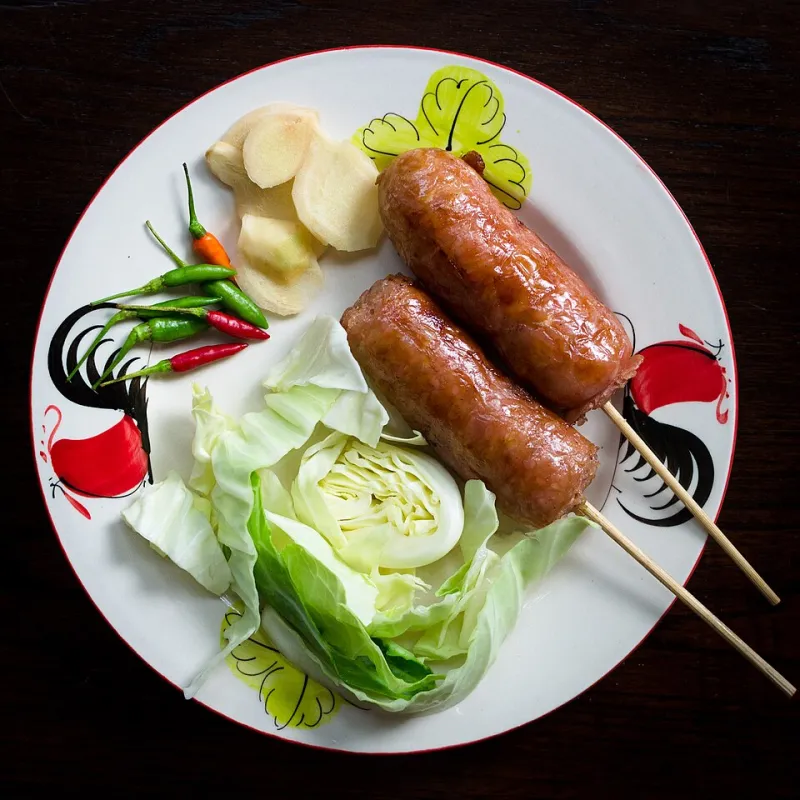
Photo: SeaDave from Fairlie, Scotland, CC BY 2.0, via Wikimedia Commons
Walk into any British supermarket and you will find a row of little tubs and jars promising Thailand in a spoonful. Some are excellent. Some are salty, sweet, faintly orange and about as Thai as a packet of prawn cocktail crisps. The trick is not to swear off jars altogether, but to know which ones are doing real work in your kitchen and which ones are just taking up shelf space.
Start with the label, not the label design
Thai food packaging loves a temple, an elephant and the word authentic. Ignore it. Turn the jar around. In a good curry paste, the first ingredients should read like a shopping list from a Thai market: dried red chillies, lemongrass, garlic, shallot, galangal, coriander root, kaffir lime zest, shrimp paste, salt. If water, sugar or sunflower oil sit near the top, you are probably looking at a cooking sauce rather than a paste. That is not a crime, and it may be perfectly nice, but it will behave differently. It will be wetter, sweeter and more dilute, and it will not fry in coconut cream the way a proper paste does.
Check the salt, too. Pastes vary wildly. Some are seasoned enough that you need no fish sauce at all; others need a good glug. Look for shrimp paste if you are cooking for vegetarians, and check for fish sauce. None of this is about purity. It is about knowing what you are buying.
The spoon test
At home, do not judge a paste straight from the jar and at room temperature. Smell it first: it should be pungent, herbal and a little fierce, not flat or perfume-sweet. Then put a quarter teaspoon on plain rice. You are looking for salt, heat, lemongrass and a savoury bass note, not just sugar. Finally, fry a tablespoon in a little coconut cream until the oil splits and the kitchen smells like a Thai restaurant. A good paste will bloom; a weak one will sit there like tomato puree.
Which pastes earn cupboard space
Not every regional paste needs to be homemade. Massaman and panang are the ones I would happily buy. Both depend on a long list of dried spices and a balance of sweet, sour and salty that is hard to nail in a British kitchen on a Tuesday. A decent jar of massaman paste, tinned coconut milk, beef shin and potatoes is a genuinely good winter supper. Panang paste, fried until fragrant and finished with lime leaves and peanuts, is another cupboard keeper.
Green and red curry pastes are more debatable. A jarred green paste can be fine, but fresh green curry is one of the great arguments for a pestle and mortar: green chillies, lemongrass, galangal, coriander root, lime zest, garlic, shallot, shrimp paste and salt pounded to a rough paste. It is brighter, sharper and less salty than most jars. Red curry paste is more forgiving; a good jar is a reasonable weeknight fallback, especially if you add fresh lemongrass, lime leaves and Thai basil at the end.
Khao soi paste is worth buying if you cook northern Thai food; it is niche enough that most of us will not pound it from scratch. Prik king paste is useful for a quick stir-fry with green beans and pork. Yellow curry paste is a gentle option for less heat-loving households. But avoid any jar labelled curry cooking sauce if you want the real paste experience.
When a jar is the right call
Use a jar when time is the binding constraint, not flavour. A midweek green curry after work, a massaman on a cold evening, a khao soi for friends on a Friday: these are jar moments. A jar is also a good teacher. Fry it properly, taste, then adjust with fish sauce, palm sugar and lime. Treat it as a base, not a finished sauce. Add fresh aromatics: lemongrass, lime leaves, basil, coriander, chilli. A jar plus a handful of fresh herbs is a different dish from a jar alone.
When to haul out the mortar
Pound your own when the paste is the point. Green curry, red curry, a southern-style sour curry or a fresh prik king are worth the effort if you have the ingredients. A granite pestle and mortar is ideal, but a small food processor will do in a pinch. Pulse, scrape down, and accept a slightly coarser texture. The reward is control: you can dial the heat, reduce the salt and keep the herbal top notes that heat and time in a jar tend to dull. It also freezes well in ice-cube trays, so a Sunday session can cover several weeknights.
A British kitchen compromise
Buy the pastes that rely on dried spices and long cooking. Pound the ones that rely on fresh herbs and green chillies. Keep a jar of massaman and a jar of panang in the cupboard, and a bag of dried red chillies in the pantry. That way you are never stuck, but you are never settling either. A jar in the cupboard is not a moral failure. It is a shortcut, and like any shortcut, it works best when you know where it is taking you.