The 90-Second Egg: A British Cook's Guide to Kai Dao
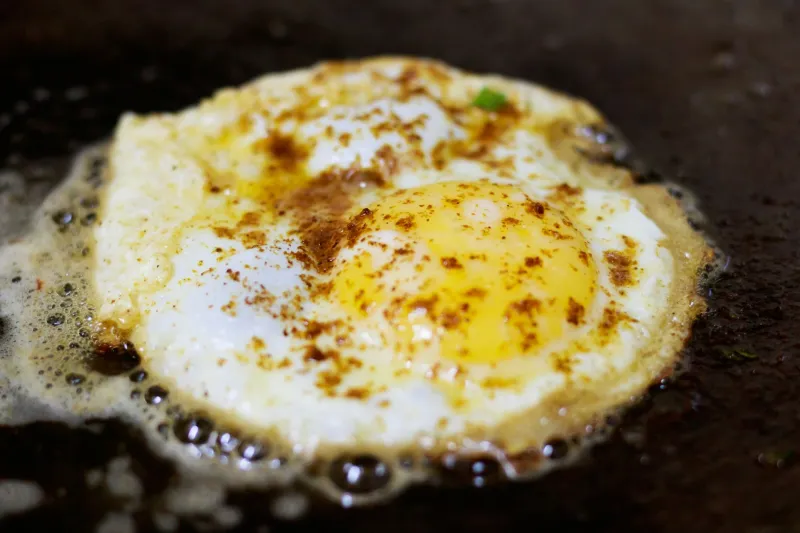
Ask a British cook to fry an egg and you will usually get something quiet and patient: a knob of butter or a slick of bacon fat, a moderate flame, a white that sets softly and a yolk that stays liquid. Ask for kai dao and the mood changes. The oil is deeper, the heat is higher, the white blisters and browns at the edges, and the whole performance is over in about ninety seconds.
That is not a gimmick or a restaurant trick that needs a professional burner. It is a different way of treating the same ingredient, and it happens to suit a British kitchen rather well. The name is often translated as star egg, a nod to the way the white fans out in hot oil. Once you have cooked one properly, the standard weekend fry-up starts to look a little underdressed.
What Makes It Different
The difference is not the egg. It is the fat and the heat. A British fried egg is often cooked gently in a small amount of fat so the white stays pale and tender. A kai dao is closer to a shallow fry. You want three or four tablespoons of oil in a small pan, shimmering but not smoking, and you want the egg to hit it with a hiss.
The white should puff, bubble and turn deep golden at the edges within seconds. The yolk should stay liquid. The seasoning is simple: a few drops of fish sauce or a pinch of flaky salt, and plenty of white pepper. This is not kai jeow, the fluffy Thai omelette; that is a different dish with a different texture. Kai dao is about contrast: crisp white, runny yolk, sharp seasoning.
The Kit You Actually Need
You do not need a wok. A small non-stick or carbon steel frying pan around 20cm across is ideal, because it keeps the oil deep enough to spoon over the egg. A wok works, but you will need more oil and a steadier hand. Use groundnut or rapeseed oil, something neutral with a high smoke point. Olive oil is the wrong tool here; it will start to smoke before the egg is ready.
Have a small bowl ready for cracking the egg, a spoon or small ladle for basting, and a slotted spatula for lifting. Kitchen roll is useful for draining, though a properly cooked kai dao is not greasy if you let it drain for a few seconds.
A word on eggs. British Lion eggs are safe to eat with a runny yolk, which is exactly what this dish needs. Fridge-cold eggs will spit and set unevenly, so take them out fifteen minutes before you cook. Very fresh eggs hold a tighter white; slightly older eggs spread thinner and give more crisp edges. Both work. Just expect the pan to behave differently.
The Method
-
Put your pan over medium-high heat and add three to four tablespoons of oil. Heat it until a drop of egg white sizzles immediately on contact. It should not be smoking.
-
Crack the egg into a small bowl first, keeping the yolk intact. This lets you slide it in cleanly and saves you from fishing shell out of hot oil.
-
Slide the egg into the pan from just above the surface. It should puff and bubble at the edges straight away. If it sits there silently, the oil is not hot enough.
-
Immediately spoon hot oil over the white, avoiding the yolk, for twenty to thirty seconds. This sets the top of the egg without flipping it.
-
Cook for sixty to ninety seconds in total. The edges should be deep golden and crisp, the white fully set, and the yolk still wobbling. Lift it out with a slotted spatula and drain for a moment.
-
Season with a few drops of fish sauce or flaky salt and a generous crack of white pepper. Do not salt the yolk before cooking; it draws moisture and leaves speckles on the white.
Where It Belongs on a British Table
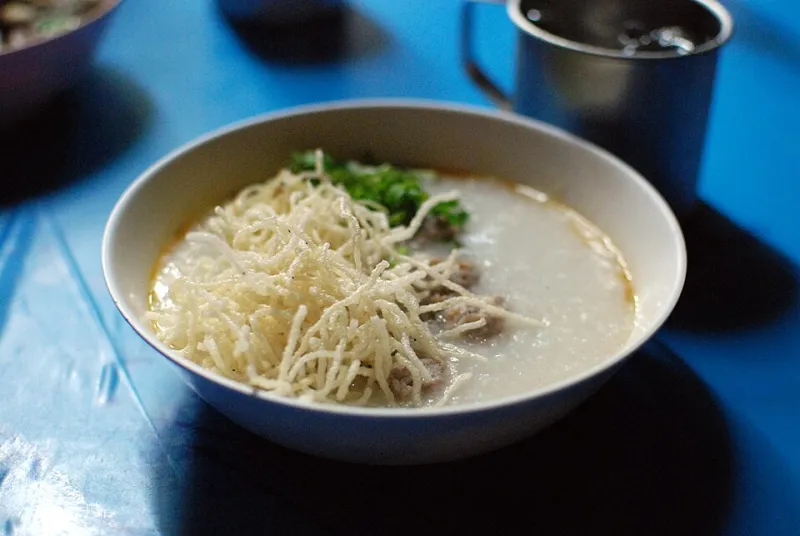
The obvious home for kai dao is a bowl of jasmine rice, with prik nam pla on the side and a few slices of cucumber. Break the yolk and let it run into the rice. That is a complete meal in the same way that egg on toast is a complete meal, only sharper and saltier.
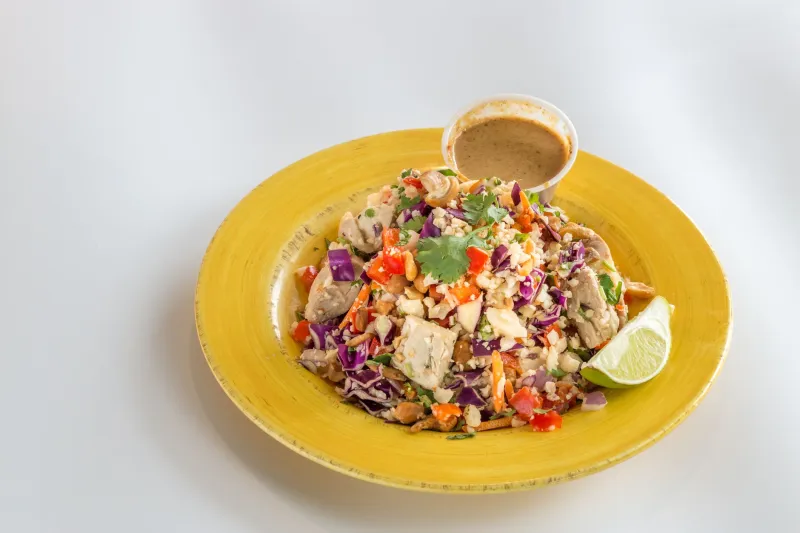
It is also very good on top of leftovers. A Friday curry, a stir-fry, a bowl of noodles, even a jacket potato: the crisp edges give you texture and the yolk becomes a sauce. If you are making a Thai salad at home, a kai dao on the side turns a light lunch into something more substantial without weighing it down.
And then there is the full English. Swap the usual fried egg for a kai dao and see what happens. The crisp, blistered edges stand up to bacon and toast in a way that a soft fried egg sometimes does not. The same goes for a bacon sandwich: a kai dao in a soft white bap, yolk breaking into the bacon, is a very good argument for keeping a small pan and a bottle of groundnut oil within reach.
A Few Honest Notes
Fish sauce in hot oil will spit, so add it to the egg once it is out of the pan, or take the pan off the heat first. If you want a softer white, lower the heat slightly and baste more gently. If you want maximum crunch, use a thinner spread of egg and slightly hotter oil. Two eggs at once need a bigger pan, otherwise they steam each other and you lose the crisp edges.
The oil can be strained and reused once or twice if it has not burnt, but do not push it. This is a fast, hot method, and fresh oil gives the cleanest flavour.
The point is not authenticity for its own sake. The point is a better egg: crisper, saltier, faster. British kitchens already have the pan, the fat and the eggs. Try it once and your Sunday bacon will start to look a little underdressed.