A Northern Thai Bowl for Grey Skies: Khao Soi, Properly Explained

Photo by Photo by Alexandra Tran on Unsplash on Unsplash
There is a certain kind of British winter afternoon — lights on at three, rain against the window, no enthusiasm for anything involving a saucepan — that calls for something more interesting than a takeaway curry. Khao Soi is that something. It is a northern Thai coconut-curry noodle soup, rich but not heavy, aromatic rather than sugary, and built around a bowl of soft egg noodles under a tangled crown of crisp ones. Once you have eaten it properly, the standard Friday-night Thai curry starts to feel like only half the story.
What khao soi actually is
Khao Soi belongs to northern Thailand, especially Chiang Mai, and carries the fingerprints of Burmese and Yunnanese cooking in its spice mix and its noodle structure. The broth is coconut milk and curry paste, yes, but it is looser than a Thai red or green curry and much less sweet than the versions many UK diners are used to. It is a soup you eat with a spoon and chopsticks, not a sauce you pour over rice.
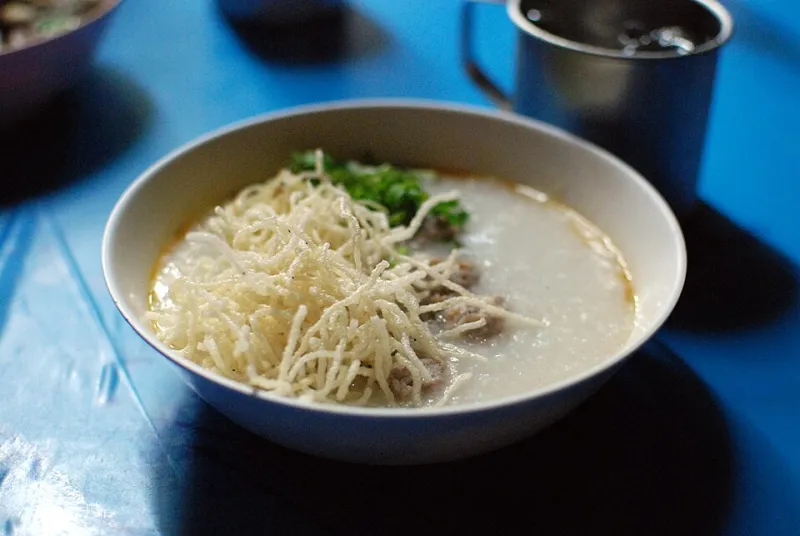
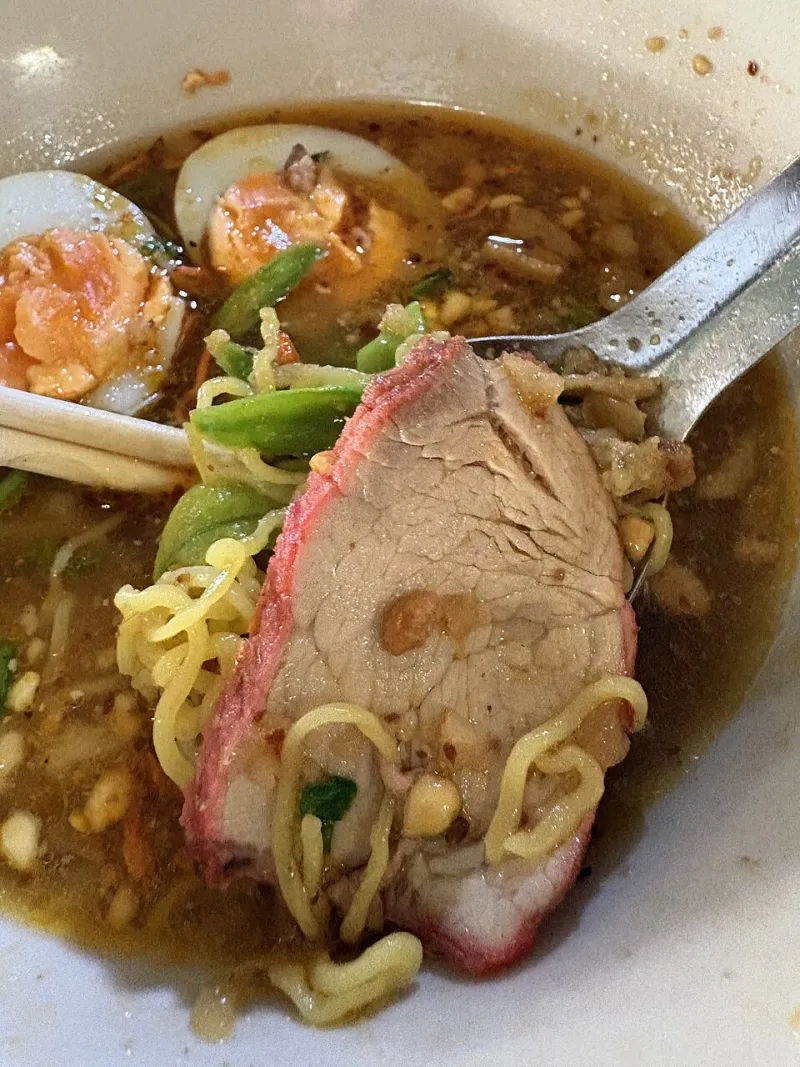
The defining feature is the noodles. Soft boiled egg noodles sit in the bowl, and a handful of the same noodles is fried until crisp and piled on top. That contrast — slippy and crunchy in the same mouthful — is the whole point. Around the edge go pickled mustard greens, sliced shallots, lime, coriander and a spoonful of chilli oil. Each person adjusts their own bowl at the table.
How it differs from the curries most of us know
A takeaway green curry is a coconut sauce with meat and vegetables, usually eaten with rice. Khao Soi is a complete meal in one bowl, with noodles doing the work that rice does elsewhere. Its paste is different too: dried chillies, shallots, garlic, galangal, turmeric and often a little curry powder, which gives it a warmer, more savoury scent than the fresh herbal hit of a green curry. It should taste deeply savoury from fish sauce, lightly sour from pickled greens and lime, and only gently sweet. If it tastes like dessert, something has gone wrong.
This is also not a dish to rush. The broth benefits from a slow simmer, and the toppings are best prepared just before eating. It is weekend cooking rather than a ten-minute supper — though the leftovers are excellent.
The broth: coconut milk, chicken and a paste that pulls its weight
For four generous bowls, start with about 1kg of boneless chicken thighs, cut into large chunks. Thighs are forgiving and stay juicy; breast goes stringy if you look at it wrong. Brown the chicken briefly in a heavy pan, then set it aside.
In the same pan, fry two to three tablespoons of khao soi paste or a good Thai red curry paste. If you are using red curry paste, add a teaspoon of mild curry powder and a quarter teaspoon of turmeric to nudge it towards the northern flavour profile. Cook the paste in the thick top layer of a 400ml tin of coconut milk until it smells fragrant and the oil begins to split. This step matters: it takes the raw edge off the paste.
Add the rest of the coconut milk, about 700ml chicken stock, a tablespoon of fish sauce and a teaspoon of palm sugar. Return the chicken to the pan and simmer gently for 25 to 30 minutes. Taste and adjust: more fish sauce for savouriness, a little sugar only if it needs rounding out, and a squeeze of lime at the end. Do not boil it hard or the coconut milk can turn grainy.
British supermarkets now stock decent coconut milk, but check the label. A high percentage of coconut extract gives a richer broth; watery tins will leave the soup thin. If yours is pale and thin, simmer it uncovered for a few extra minutes rather than adding cream.
Noodles, and the crisp topping that makes it khao soi
Fresh egg noodles are increasingly easy to find in UK supermarkets, usually in the chilled world-food section. Dried egg noodles work perfectly well too; cook them according to the packet, drain and toss with a little oil so they do not clump.
For the crisp topping, take a small handful of raw egg noodles and fry them in about 3cm of neutral oil until golden and puffed. This takes less than a minute, so stand over the pan. Drain on kitchen paper and sprinkle with a little salt. If frying puts you off, look for ready-fried noodle nests in the Asian aisle and crush them roughly. They are not identical, but they deliver the necessary crunch.
Pickled greens, lime and the condiment plate
Pickled mustard greens are the traditional sharp, salty counterpoint. Asian grocers sell them in vacuum packs or jars. If you cannot get hold of them, rinsed sauerkraut is a surprisingly good stand-in, as is pickled white cabbage. Mild gherkins, sliced thinly, will do in a pinch — just avoid anything aggressively vinegary.
Put out lime wedges, thinly sliced shallots, chopped coriander, fish sauce and a small bowl of chilli oil. To make a quick chilli oil, warm four tablespoons of neutral oil and pour it over two teaspoons of chilli flakes and a pinch of salt. Let it cool. A spoonful stirred into the bowl adds heat and a glossy sheen.
A practical recipe sketch for four
Use 1kg chicken thighs, 2 to 3 tablespoons khao soi or red curry paste, 400ml coconut milk, 700ml chicken stock, 1 tablespoon fish sauce, 1 teaspoon palm sugar, 300g egg noodles, pickled mustard greens, shallots, lime, coriander and chilli oil. Brown the chicken, fry the paste in the coconut cream, add the liquids and simmer until the chicken is tender. Cook the noodles, fry a small handful for the topping, and assemble each bowl with soft noodles, broth, chicken, crisp noodles and the condiments on the side.
Why it belongs in a British winter
Khao Soi is warming without being bland, and it asks for the kind of slow, hands-on cooking that makes a dark afternoon feel purposeful. It also freezes well — make the broth ahead, cool it quickly and freeze for up to three months. Reheat gently and cook fresh noodles. The crisp topping should always be last-minute, but that is a small price for a bowl that tastes like Chiang Mai by way of your own kitchen.
At Sukothai Kitchen, we are not interested in pretending every Thai dish is a weeknight shortcut. Some are, and that is fine. Khao Soi is the other kind: a regional classic worth learning, adapting to British ingredients and eating in greedy silence while the rain does its worst outside.