Coconut, Pandan and a Pinch of Salt: Six Thai Desserts Worth Seeking Out
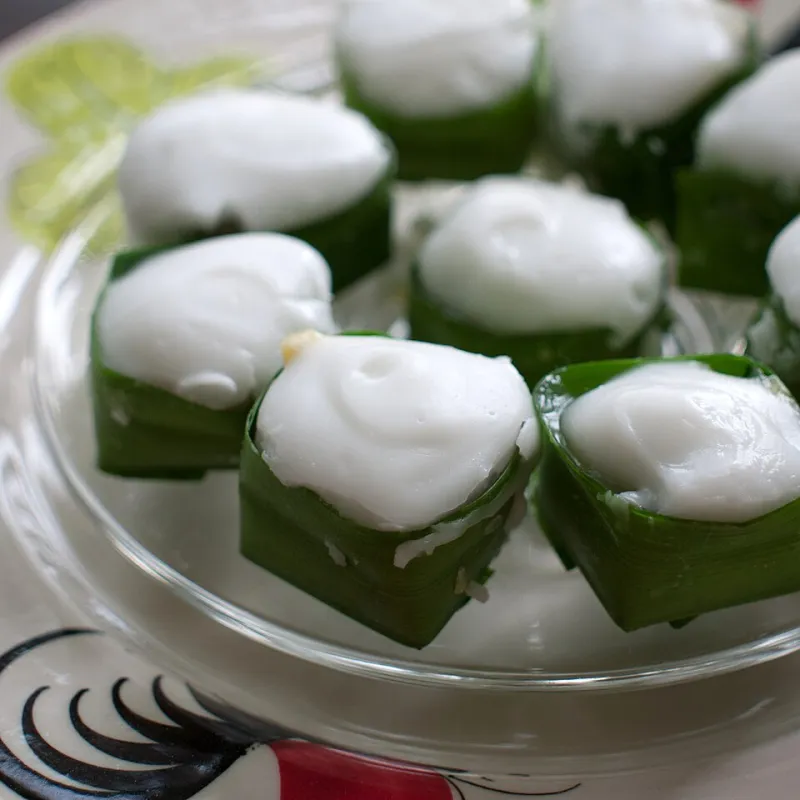
Photo: Takeaway, CC BY-SA 3.0, via Wikimedia Commons
Mango sticky rice has done a very good job as Thailand's dessert ambassador. It is sweet, familiar and photogenic, and British diners have taken to it happily. But treat it as the whole of Thai dessert and you miss the stranger, saltier, more texture-driven side of the khanom tradition.
Thai desserts are not usually built around a wedge of cake and a cup of tea. They are small, often served in modest portions, and they play with warm and cold, soft and crisp, sweet and salted. Coconut milk is a constant, but so is a pinch of salt. Pandan brings a green, vanilla-like fragrance. Rice flour and mung beans turn up where British cooks might expect wheat or cream. Once you tune into that logic, the whole category opens up.
Here are six Thai desserts beyond mango sticky rice that are worth looking for in the UK in 2026, whether you plan to make them or buy them from a Thai grocer.
First, the rule: sweet needs salt
Before the list, learn the balancing act. Thai desserts often use salted coconut cream, and that salt is not a mistake. It stops sweetness from becoming cloying and gives coconut milk a savoury depth. If you make any of these at home, taste the coconut mixture before you assemble. It should be sweet, yes, but with a faint saline edge that makes you want another spoonful.
Pandan is the other key. Fresh pandan leaves are increasingly available in UK Asian supermarkets, and frozen leaves or paste are useful backups. The flavour is gentle: grassy, vanilla-ish, a little like a warm bakery. Do not expect it to shout. It works best when allowed to infuse into coconut milk or rice flour mixtures.
1. Bua Loi: warm rice balls in coconut
Bua loi is one of the most approachable Thai desserts for a British kitchen. Small balls of glutinous rice flour are poached until chewy and served in a warm, lightly salted coconut syrup. Sometimes they are coloured with pandan, sometimes with butterfly pea, and sometimes they hide a little piece of palm sugar inside.
The texture is the point: soft, squishy, slightly elastic. It is comfort food, not a showstopper. To make it, mix glutinous rice flour with water until you have a soft dough, roll small balls and drop them into boiling water. They are done when they float. Warm coconut milk with sugar and a pinch of salt, then ladle the balls into bowls. In the UK, look for glutinous rice flour in Asian groceries or the world-food aisle. Do not substitute plain wheat flour; the chew is the whole pleasure.
2. Khanom Mo Kaeng: the mung bean custard
Khanom mo kaeng sounds unlikely to a British cook: a baked custard made with mung beans. It is rich, dense and gently sweet, with a texture somewhere between a set custard and a soft slice. Coconut cream and palm sugar give it depth, and the mung beans add a mild, earthy body that stops it tasting like a dessert omelette.
This is a good one to try if you enjoy the savoury-sweet edge of Thai cooking. You can find split mung beans in UK Asian shops and some health-food stores. Soak them, steam or simmer until soft, then blend or mash with coconut milk, eggs and palm sugar. Bake in a moderate oven until just set. It is not a low-effort pudding, but it is a memorable one, and it keeps well in the fridge for a day or two.
3. Khanom Krok: coconut pancakes from the market
Khanom krok is the Thai street-market dessert that wins people over at first bite: small, cup-shaped pancakes with crisp, browned edges and a soft, creamy coconut centre. They are made in a special dimpled pan, often over charcoal, but a khanom krok pan is not impossible to find in UK Asian cookshops or online.
Rice flour, coconut milk, sugar and salt make the batter. Some versions add spring onion or corn for a savoury edge. The batter goes into a hot, oiled pan, and the result is eaten while still warm. If you do not own the pan, a small muffin tin is a compromise, though you will lose some of the crisp rim. Serve them in pairs or threes, not as a full plate. They are best as a snack with tea or coffee, which makes them fit quite naturally into a British afternoon.
4. Lod Chong: pandan noodles in icy coconut
Lod Chong is one of the most refreshing Thai desserts and one of the least known in the UK. Green pandan noodles, made from rice flour and pandan water, are served in sweetened coconut milk over ice. It is cold, slippery, fragrant and only lightly sweet. On a hot day, it makes more sense than almost any British pudding.
The noodles are traditionally made by pressing a thick batter through a perforated vessel into iced water. At home, you can use a potato ricer or a piping bag with a small hole. It takes practice, but the mixture is forgiving. If you cannot get fresh pandan, use frozen leaves blended with water and strained. Coconut milk, sugar and a pinch of salt finish the bowl. Do not oversweeten it; lod chong should feel like a cool drink you can eat with a spoon.
5. Khanom Chan: the layered green pudding
Khanom chan is a steamed layered pudding, usually green with pandan and white with coconut. It is glossy, slightly bouncy and gently sweet, with a texture that British eaters often compare to a firm jelly or a soft Turkish delight. It is made with rice flour, tapioca flour, coconut milk and sugar, then steamed in trays one layer at a time.
Layering is the fiddly part. You need to steam each thin layer until set before adding the next, otherwise the colours bleed. A bamboo steamer or a wide pan with a rack works well. The result looks impressive and tastes mild, so it is a good dessert for people who find Western cakes too sweet. It is also common at Thai celebrations, which makes it a lovely thing to bring to a shared table.
6. Foi Thong: golden egg threads
Foi Thong means golden threads, and that is exactly what it looks like: delicate strands of egg yolk cooked in sugar syrup, often served with a little coconut cream or wrapped in a thin crepe. It is a celebration dessert, technically demanding and beautiful in a way that feels almost jewellery-like.
For most British home cooks, foi thong is one to buy before you try to make it. The egg yolk mixture is drizzled through a small hole into hot syrup, and the threads need to set without clumping. Thai shops and bakeries in larger UK cities sometimes sell it, especially around festivals. If you do attempt it, use a clean squeeze bottle or a coconut shell with a small hole, and keep the syrup at a steady temperature. It is not a beginner's bake, but it is a wonderful thing to know about.
How to shop for Thai desserts in the UK
Start with an Asian grocer rather than a mainstream supermarket. You are looking for glutinous rice flour, rice flour, tapioca starch, split mung beans, palm sugar, coconut milk and frozen or fresh pandan. Coconut milk quality varies a lot; choose one with a high coconut content and no unnecessary thickeners if you can. Palm sugar comes in discs or blocks and has a deeper, more complex flavour than white sugar.
In 2026, online Thai and South East Asian grocers are also reliable for pandan paste, khanom krok pans and pre-made desserts. Read labels carefully, especially on coconut cream, and do not assume a product labelled Thai is authentic or well balanced. The best guide is taste: sweet, salty, fragrant and never one-note.
Where to start
If you want a first project, make bua loi. It is quick, forgiving and gives you the salty-sweet coconut lesson in one bowl. If you want something to serve with coffee, try khanom krok. If you want to understand the Thai way with texture, seek out khanom chan or lod chong. Mango sticky rice can stay on the menu, but it should not be the only Thai dessert British kitchens know.