Root, Stem and Leaf: Why Your Next Bunch of Coriander Shouldn't End in the Bin
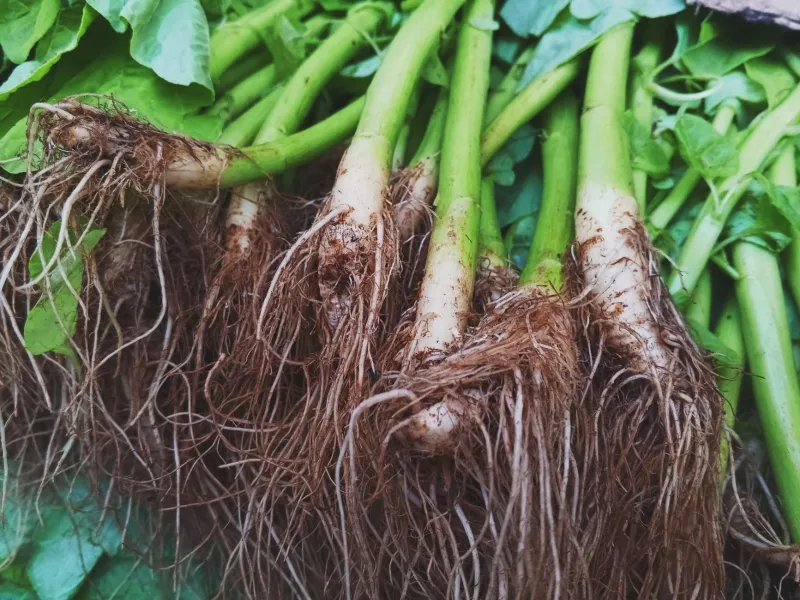
Walk into most UK supermarkets and you'll find coriander sold as a tidy bunch of leaves with the roots already sliced off. It's convenient, but it quietly removes one of the most useful parts of the plant. In Thai cooking, coriander is rarely just a garnish. The root — and the stems just above it — are treated as a seasoning in their own right, pounded into pastes, slipped into marinades and simmered in broths. If you've been binning that part, you've been leaving flavour on the cutting board.
What the Root Brings That the Leaves Don't
Coriander leaves are bright, green and fleeting. They wilt under heat and lose their perfume quickly. The root is a different character altogether: denser, earthier, with a peppery edge and a warm citrus note that holds up in cooking. It's sometimes described as tasting like coriander's more serious sibling — less soapy, more savoury. In Thai kitchens, it's often paired with garlic and white peppercorns as a base for marinades and curry pastes. That trio does a lot of quiet work in the background of dishes you may already know from Thai restaurants.
Why British Bunches Arrive Rootless
Supermarkets trim roots for shelf life and presentation. Loose roots are messy, they dry out, and they don't fit neatly into a plastic sleeve. The result is that many home cooks in the UK have never cooked with coriander root at all. It's not a failing — it's a supply-chain habit.
There are ways around it. Asian grocers and some farmers' markets sell coriander with roots intact, often bunched with a little soil still clinging on. Living coriander pots from garden centres or supermarket herb sections are another route: keep the pot on a sunny windowsill, snip stems as needed, and you'll eventually have roots to use too. If you're growing from seed, coriander is forgiving in a shallow tray on a bright sill. It bolts quickly in heat, so keep it out of direct midday sun in summer and sow little and often. A windowsill in a British kitchen is not a Thai field, but it's enough to give you a steady supply of stems and the occasional root.
Prep, Don't Panic
Coriander roots hold grit. Rinse them well under cold water, then scrub gently with a small brush or your fingertips. If the root is thick, bash it lightly with the flat of a knife or a pestle to release the flavour before chopping. The stems are just as useful: wash them, trim the very bottom, and chop them finely. They're less fibrous than they look and will soften in a paste or marinade.
If you're not using them straight away, chop the roots and stems and freeze them in small bags, or blitz them with a little oil and freeze in an ice-cube tray. That way a bunch goes further, and you're never caught short when a recipe calls for something deeper than leaves.
Three Places to Put the Root to Work
Marinades. A paste of coriander root, garlic, white pepper, fish sauce and a touch of palm sugar is a classic base for grilled chicken or pork. It's the kind of thing that tastes restaurant-ish without much effort.
Curry pastes. If you're pounding or blending a paste at home, coriander root adds a savoury backbone. It's especially good in red or massaman-style pastes where the flavour is warm rather than sharp.
Soups and broths. Drop a bruised root into a simmering tom yum or a coconut broth and let it infuse. Fish it out before serving if you like, or leave it in for a more rustic bowl.
A Simple Coriander Root and Garlic Marinade
This is enough for four chicken thighs or a couple of pork steaks. It's a good first step if you're new to cooking with root.
- 4 coriander roots, well washed (or 8 stems if you have no roots)
- 3 garlic cloves
- 1 tsp white peppercorns
- 1 tbsp fish sauce
- 1 tsp palm sugar or soft brown sugar
- 1 tbsp neutral oil
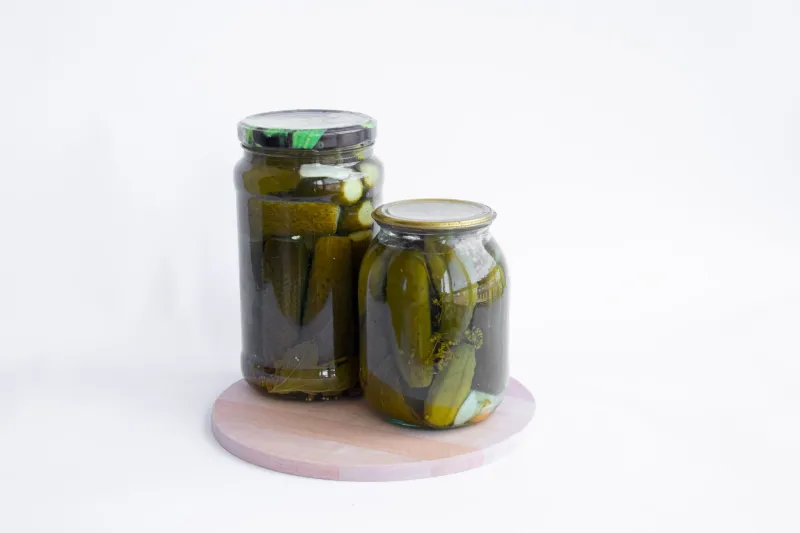
Pound the coriander root, garlic and peppercorns to a rough paste in a pestle and mortar, or blitz them in a small food processor. Stir in the fish sauce, sugar and oil. Slash the chicken thighs a couple of times, rub the marinade all over, and leave for at least 30 minutes — longer in the fridge is fine. Grill, pan-fry or roast until cooked through and slightly charred at the edges. Serve with rice and something sharp, like quick-pickled cucumber.
Storage That Doesn't End in Slime
Coriander is a delicate herb, but the root is tougher than the leaves. Keep roots and stems wrapped in a damp piece of kitchen towel inside a container in the fridge; they'll last longer than the leaves. The leaves themselves are best used first, or stored separately with their stems in a glass of water and a loose bag over the top. Don't wash the whole bunch until you're ready to use it, and don't leave it sitting wet in a plastic bag — that's how you get the dreaded green sludge.
Next time you buy a bunch, look for one with roots still attached, or plan a windowsill pot. The leaves will still do their bright, fresh thing. But the root and stems will give you something more: a quiet, earthy depth that makes a simple marinade or broth taste like it's had more time than it has. In a British kitchen, that's a very useful trick.