Sharp, Salty, Crunchy: Why Prik Dong Deserves a Shelf in Your British Fridge
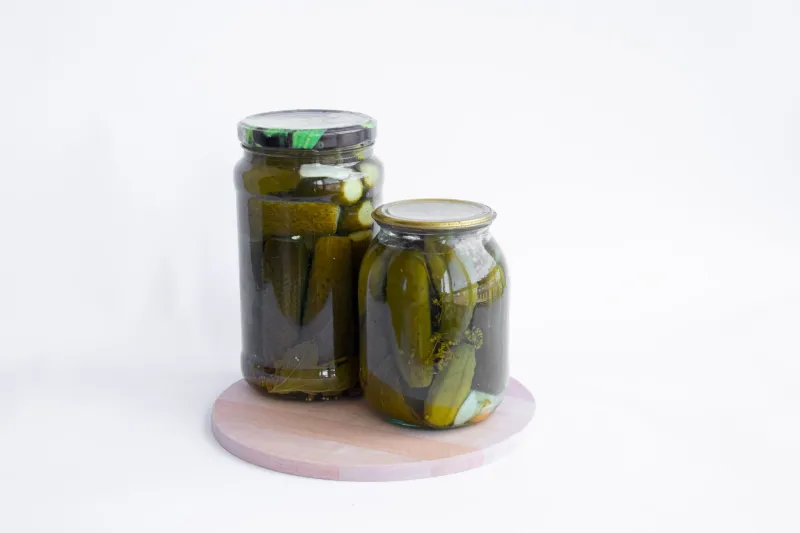
There is a certain kind of jar that does more work than its size suggests. A spoonful of mustard beside a plate of ham. A forkful of pickled onions with a ploughman’s. And, if you make room, a small jar of prik dong: Thai pickled chillies that bring heat, salt and a clean vinegar snap to food that might otherwise sit heavily on the tongue.
Prik dong is not one fixed recipe. In Thailand it turns up in several guises, from chillies steeped in vinegar to chillies kept in fish sauce. What they share is a practical purpose: preserving fresh chillies while turning them into a condiment that sharpens and seasons at the same time. For a British cook, that makes it a very useful thing to have on the fridge door — especially in the colder months, when the cooking leans rich and the fresh chilli aisle can feel a bit random.
What prik dong actually is
At its simplest, prik dong means pickled chilli. The chillies are left whole or sliced, then covered with a liquid that seasons them as much as it preserves them. The two common styles are vinegar-based and fish-sauce-based.
The vinegar version is the sharper, brighter one. It tastes of acidity first, then chilli heat, and it works a bit like a Thai answer to pickled jalapeños — except that the brine is often seasoned with a little sugar and salt to round off the edges. The fish sauce version is saltier and deeper, with the savoury hum of nam pla. Both are good. They are not interchangeable in every dish, but they are close enough that most cooks will find a favourite and stick with it.
You do not need a special variety of chilli. Bird’s-eye chillies are the classic choice, but the longer red chillies sold in UK supermarkets work well too, and they give a slightly gentler heat. A mix is nice: some small, fierce ones for punch, some larger ones for crunch.
A small batch worth making
This is less a recipe than a method. Take a clean jar — a 250ml or 300ml jar is about right — and fill it with chillies. Wash and dry them properly, then trim the stalks. You can leave them whole, prick them with a knife, or slice them into rings. Whole chillies look handsome and keep their crunch longer; sliced ones give up their heat faster. For a first batch, sliced is often more practical.
For a vinegar brine, warm equal parts white vinegar and water with a pinch of salt and a small spoon of sugar until the salt and sugar dissolve. Let it cool, then pour it over the chillies. Some cooks add garlic, a few coriander stalks, or a slice of ginger. Keep it simple the first time. The chillies should be fully covered; press them down with a clean spoon or a small weight if they float.
For a fish sauce brine, use roughly three parts fish sauce to one part water, plus a squeeze of lime if you like. Do not add salt. The fish sauce is already salty enough, and the point is to let its savoury edge do the work. This version is excellent with fried eggs and rice, and very good spooned over noodles.
Leave the jar at room temperature for a day or two, then move it to the fridge. The vinegar version is ready to eat after 24 hours, though it improves over a week. The fish sauce version needs a little longer — three to five days is a sensible starting point. After that, it will keep for weeks in the fridge, though the texture will soften over time.
How the brine changes
The interesting thing about prik dong is that it does not stay still. On day one, a vinegar brine tastes raw and sharp. After a few days, the chilli flavour moves into the liquid and the sharpness settles. The chillies themselves lose a little of their raw bite and take on the seasoning. After a month, the brine is rounder, the heat is more even, and the whole thing has become a proper condiment rather than a quick pickle.
The fish sauce version changes differently. It starts salty and pungent, then mellows as the chilli and garlic flavours come forward. The chillies go slightly softer, and the liquid becomes a useful seasoning in its own right. Do not throw it away when the chillies are gone. A teaspoon of that brine in a noodle soup or a stir-fry is a small, free flavour boost.
A word on safety: keep the chillies submerged, use a clean fork or spoon each time, and top up with a little vinegar or fish sauce if the level drops. If anything smells off or grows fuzz, bin it. This is a simple pickle, not a fermentation project.
Where it earns its place in a British kitchen
The obvious use is as a table condiment. Put a jar on the table with a Sunday roast and watch it cut through the fat of the meat and the richness of the gravy. It is especially good with roast pork, where a sharp, salty chilli pickle does the same job as mustard or apple sauce, but with more heat.
It is also a fine thing to have beside a cheese toastie. A little prik dong, chopped into the cheese or spooned alongside, gives a sharp, salty kick that makes a plain sandwich feel more deliberate. The same logic works with a jacket potato, a plate of sausages, or a beef and ale pie. It is not a subtle ingredient; it is a welcome interruption.
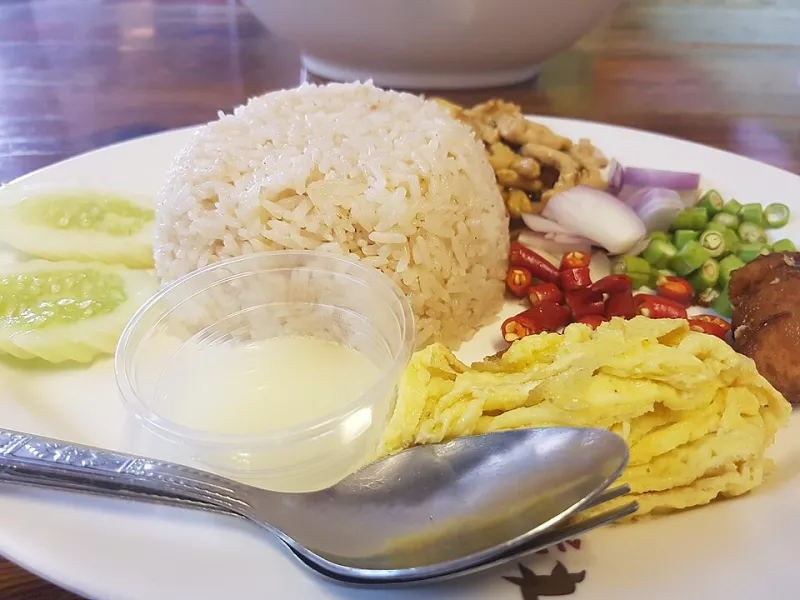
Beyond the plate, use it as a cooking shortcut. A spoonful stirred into a noodle broth at the last minute adds heat and acidity without much effort. Chopped into a fried rice, it saves you reaching for three different bottles. Mixed with a little soy sauce and honey, it becomes a quick glaze for chicken thighs. And if you are making a Thai-style omelette, a small dish of prik dong on the side is exactly the kind of sharp, salty contrast that makes the whole thing sing.
The small-jar argument
There is a frugal pleasure in a condiment that costs very little and earns its space. A bag of chillies from the supermarket, a splash of vinegar, a spoon of fish sauce — that is the whole project. It sits quietly behind the mustard, waiting for a plate that needs a lift. For British cooks who like Thai flavours but do not want another special purchase, prik dong is a good place to start. It is heat, salt and crunch in one small jar — and it will make you look at the fridge door differently.