Holy Basil vs Horapha: The Basil Choice That Changes Your Thai Curry
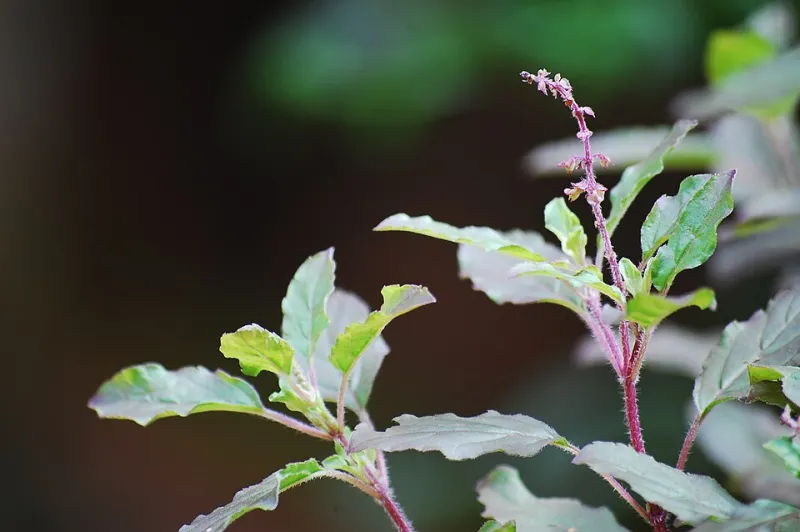
Photo: Challiyan at Malayalam Wikipedia, CC BY-SA 2.5, via Wikimedia Commons
Walk into a British supermarket in 2026 and you will usually find a plastic punnet labelled 'Thai basil'. It smells lovely. It looks the part. It is also, quite often, not the herb the recipe actually wants. That is not a scandal, but it is a trap for anyone trying to cook a curry that tastes like the ones from a Thai kitchen rather than a generic herby stir-fry.
The confusion comes down to three names that get shuffled together: holy basil, horapha and the vague supermarket label 'Thai basil'. They are related, but they are not interchangeable. Think of them as three different voices in the same choir. Use the wrong one and the dish still sings, just not the tune you asked for.
Why the label matters
Holy basil, known in Thai as bai kraphao, is the peppery one. It has a clove-like edge, a slight bitterness and a scent that can feel almost medicinal before it hits the heat. Horapha, often called Thai basil, is softer and more aniseed, with a liquorice note that sits beautifully in curries and noodle dishes. The third herb in the mix is often plain sweet basil, sold under a Thai-ish label because it looks close enough for a supermarket buyer.
None of these is bad. But if you are making pad kraphao and you end up with sweet basil, you will get a pleasant stir-fry with a missing edge. If you are making a green curry and you use holy basil, the curry may turn sharper and more aggressive than you intended. The leaf matters because Thai cooking uses herbs as seasoning, not decoration.
Holy basil: the peppery one with a temper
Holy basil is the herb behind the stir-fry that makes Thai restaurants feel so direct: minced pork or chicken, lots of chilli, garlic, fish sauce and a handful of leaves thrown in at the end. It is also good in spicy fried rice and in a simple omelette. The leaves are usually narrower than sweet basil, often with a slightly serrated edge, and the stems can carry a purple tint.
Treat holy basil with respect. It does not need a long cook. In fact, it is often added late so that its peppery, clove-like aroma stays bright. If you boil it to death, you lose the point of buying it. In a British kitchen, the best source is a Thai or South East Asian grocer, where the bunches are usually fresher and more honestly labelled. Growing it from seed on a sunny windowsill is also worth trying in 2026; it likes warmth and regular pinching.
If you cannot find holy basil, do not reach for Italian basil and hope for the best. Use horapha instead and add a little extra chilli for bite. A tiny pinch of ground clove can suggest the missing peppery note, but only a whisper. Too much and your stir-fry tastes like a Christmas pudding having a fight.
Horapha: the curry herb
Horapha is the herb most British shoppers are actually buying when they pick up a pack of 'Thai basil'. It has purple stems, soft green leaves and that unmistakable aniseed scent. It belongs in green curry, red curry, fish curry and stir-fried noodles. It also works in soups and in the kind of quick beef stir-fry that needs a fragrant lift rather than a punch.
Where holy basil is sharp and bolshy, horapha is rounded. It flatters coconut milk and chilli rather than competing with them. If you are making a Thai curry at home and the sauce tastes flat, a few horapha leaves stirred in at the end can do more than another spoon of fish sauce. Add them off the heat, or just before serving, so the perfume survives.
If horapha is unavailable, ordinary sweet basil is the closest supermarket stand-in. To push it towards the right flavour, add a very small pinch of ground star anise or a single tarragon leaf to the pan. This is not a perfect swap, but it is a practical one. Avoid dried horapha if you can; the fragrance fades fast and the dried leaves can taste like hay with ambitions.
The generic 'Thai basil' problem
Supermarket labelling is improving, but it is still inconsistent. A pack may say 'Thai basil' and contain horapha, sweet basil or a mix. Look at the leaves and smell them. Horapha usually has a clear aniseed scent and purple stems. Holy basil smells peppery and clove-like, with narrower leaves. Sweet basil smells floral and gentle, like the basil you might tear over tomatoes.
This is not about being precious. It is about getting the result you paid for. If a recipe calls for holy basil and you only have a generic pack, adjust the dish: use more chilli, add the leaves late and accept that the flavour will be softer. If a recipe calls for horapha, a generic pack is usually fine. If you are making a salad or a tomato dish, keep the Italian basil for that and buy a separate bunch for the wok.
A practical British kitchen plan
For most home cooks, the sensible 2026 strategy is to keep two herbs in rotation. Buy horapha for curries, noodles and coconut-based dishes. Buy holy basil when you are making a punchy stir-fry or when you spot a really fresh bunch at an Asian grocer. Store both with their stems in a glass of water, loosely covered, away from the coldest part of the fridge. Use them within a few days.
If you only have room for one, choose horapha. It is the more flexible herb for British kitchens and the one most likely to improve a weeknight curry. Then, when you want the full pad kraphao experience, seek out holy basil properly. Your curry will not just taste hotter or greener; it will taste like it knows what it is doing.