Sweet, Sour, Salty, Slippery: A Weeknight Kuay Teow Sukhothai for British Cooks
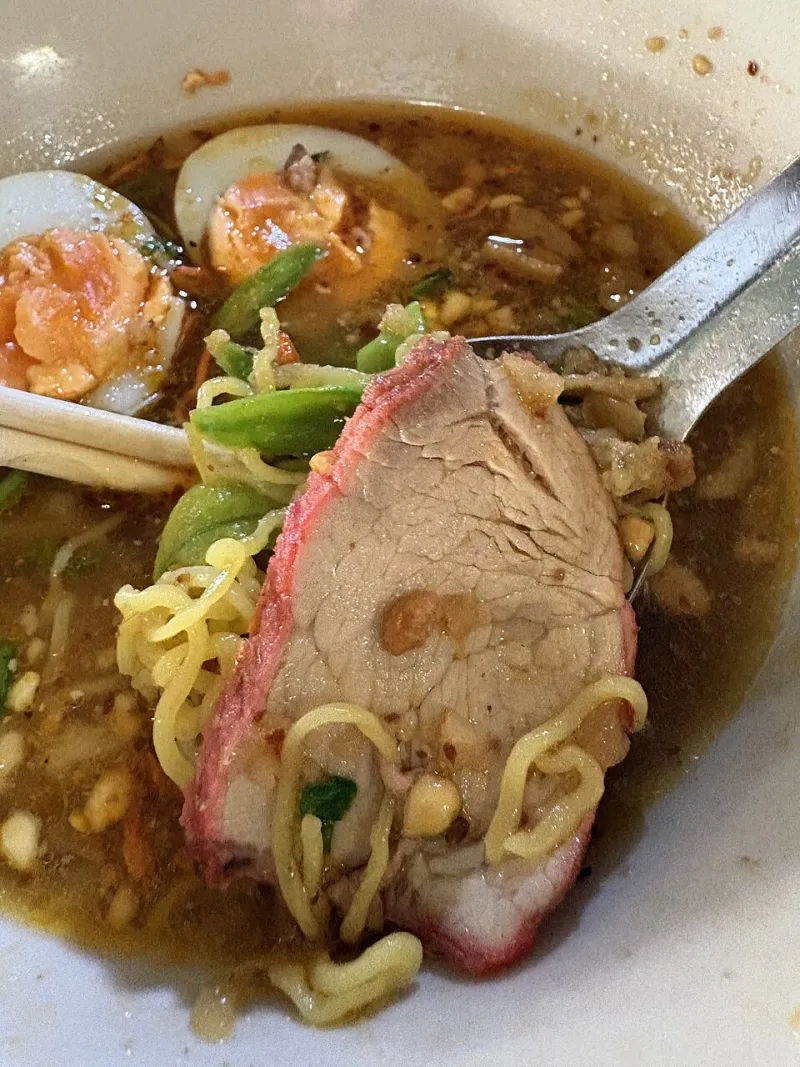
Photo: Chainwit., CC BY 4.0, via Wikimedia Commons
Kuay teow Sukhothai is one of those dishes that sounds like a restaurant name until you meet the real thing. It is a bowl of flat rice noodles, pork, green beans and peanuts, dressed with tamarind, palm sugar, fish sauce and lime. The result is sweet, sour, salty and gently hot, with just enough richness from garlic oil to make it feel like a treat on a Tuesday. At Sukothai Kitchen, we think it deserves a place beside green curry and pad Thai in the British home cook's repertoire, not least because most of it can be assembled from a normal supermarket shop.
The bowl behind the name
Sukhothai is the old capital of Thailand, and the noodles that carry its name are a regional classic rather than a generic menu filler. Kuay teow means rice noodles, and the Sukhothai version is usually a dry-tossed bowl rather than a soupy one. That matters. You are not building a broth; you are building a sauce that clings to the noodles. The pork can be sliced loin or minced, the beans should still have a little snap, and the peanuts add the kind of crunch that makes a simple bowl feel complete.
It is also a useful lesson in Thai balance. There is sugar in the sauce, but it should not taste sweet first. There is tamarind, but it should not make you wince. Fish sauce brings the savoury depth, lime brings the lift, and chilli sits underneath it all. Get that balance right and the bowl tastes bright and savoury. Get it wrong and you have a sugary noodle stir-fry, which is a different and much less interesting thing.
The British kitchen shopping list
The noodles are the first thing to sort. Look for dried flat rice noodles, often sold as rice sticks or pad Thai noodles, around three to five millimetres wide. Avoid the very fine vermicelli, which will collapse into a sticky clump. Asian grocers are the best bet, but larger supermarkets increasingly stock decent dried rice noodles in the world foods aisle. Fresh wide rice noodles are lovely if you can find them, but they are not essential for a weeknight version.
For the rest, you need pork loin steaks or pork mince, fine green beans, unsalted roasted peanuts, garlic, shallots, coriander, limes and red chillies. In the storecupboard: tamarind concentrate or tamarind paste, palm sugar, fish sauce and dried chilli flakes. A little dried shrimp is a traditional extra if you have it, but leave it out if you do not. This is not a dish that demands a specialist delivery box.
The sauce is the whole argument
Start with a simple base and taste as you go. For two generous portions, mix one tablespoon of tamarind concentrate with one and a half tablespoons of palm sugar and two tablespoons of fish sauce. Add a tablespoon of fresh lime juice and a pinch of chilli flakes. Warm it gently so the palm sugar dissolves, then taste. It should be sour, salty and only then sweet. If it feels flat, add lime. If it feels harsh, add a little more palm sugar. If it tastes sweet, add fish sauce and lime rather than more sugar.
Palm sugar has a rounder, slightly smoky sweetness than caster sugar, and the little discs keep well in a jar. Tamarind concentrate varies in strength, so start cautiously. If you are using tamarind block, soak a small piece in hot water and press it through a sieve. Do not substitute sweet chilli sauce. It is a different ingredient with a different job.
A practical weeknight method
Bring a kettle to the boil and soak the dried noodles in a large bowl of just-boiled water for eight to ten minutes, until pliable but still slightly underdone. Drain them well. While they soak, toast the peanuts in a dry frying pan until they smell nutty, then roughly crush them. Make the sauce in a small bowl or jug.
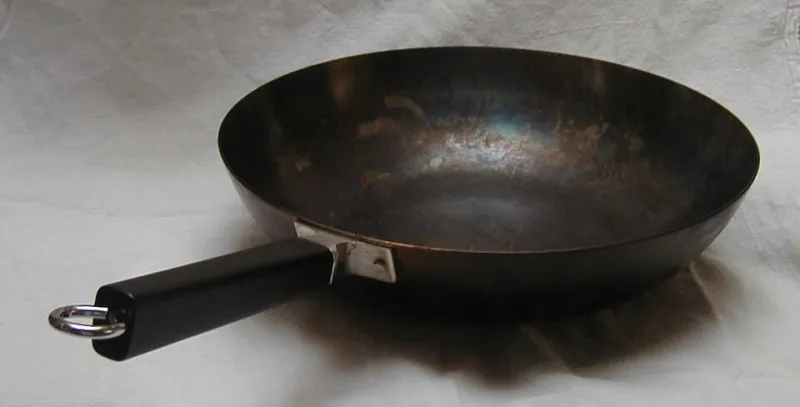
Set a wok or large frying pan over a medium-high heat with a little neutral oil. Add chopped garlic and shallot and fry for thirty seconds, just until fragrant. Add thinly sliced pork loin or pork mince and stir-fry until nearly cooked through. Throw in the green beans, cut into short lengths, and keep everything moving for another two or three minutes. The beans should be tender but still have bite.
Add the drained noodles and pour over the sauce. Toss firmly for a minute or two, using tongs if that is easier, until the noodles are coated and hot. Scatter over most of the peanuts and a handful of chopped coriander. Serve with lime wedges, extra chilli flakes and the remaining peanuts on the table.
Sourcing and sensible swaps
If you can only find narrow dried rice noodles, use them but soak them briefly and toss gently. Fresh noodles need only a quick blanch. British green beans work well; fine beans are ideal, and runner beans cut into short lengths are a decent seasonal alternative. Unsalted roasted peanuts are better than dry-roasted or salted ones because you control the seasoning. For the pork, loin steaks slice neatly, but shoulder would be more flavoursome if you have it.
Fish sauce is worth buying from a Thai brand rather than a generic supermarket own-label if you can. It keeps for ages and makes the difference between a muddy bowl and a savoury one. Palm sugar is usually sold in disc form; chop what you need or grate it so it dissolves quickly. Limes should be fresh. Bottled lime juice has a metallic edge that does not suit this sauce.
How to eat it
Serve it warm rather than piping hot, with extra lime and chilli for anyone who wants more lift. A cold lager or a pot of jasmine tea works well. This is not a dish that improves much the next day, so cook what you need. The good news is that it comes together in about twenty-five minutes once the noodles are soaked, which makes it a realistic answer to the question of what to cook when you want something bright, savoury and just different enough from the usual British stir-fry. That is the point of the Sukhothai bowl: not a restaurant namesake, but a proper regional noodle dish you can make at home.